
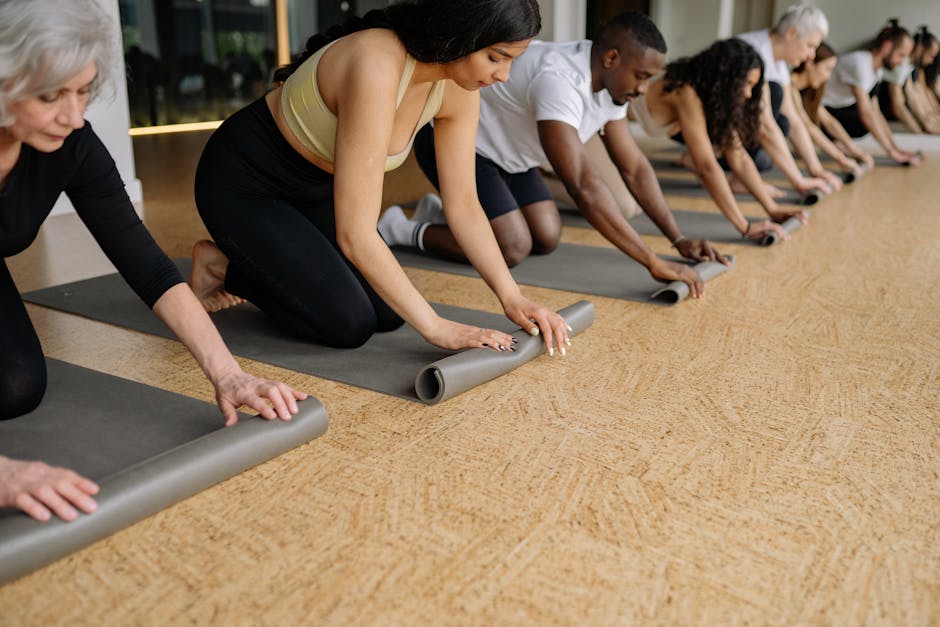
When it comes to living a longer, healthier life, mixing up your workout routine might be more important than you think. Variety in physical activity doesn’t just keep things interesting—it may actually boost your longevity and overall health. Whether you’re a cardio lover or strength training enthusiast, shaking up your weekly plan could be the missing piece.
Why Variety in Exercise Matters
Doing the same workout every day can lead to boredom, plateaus, and increased risk of overuse injuries. By incorporating different types of movements—like aerobic, resistance training, flexibility, and balance—you challenge your body in new ways and activate different muscle groups.
Physical and Mental Health Benefits
When your workouts include both endurance and strength elements, you’re not only improving cardiovascular health but also building muscle, keeping bones strong, and enhancing mental clarity. Plus, varying your workouts can help regulate stress hormones and improve mood.
Sample Weekly Workout Mix
If you’re unsure how to start, aim for a balanced schedule. For example:
- Monday: Moderate-intensity cardio like brisk walking or jogging
- Tuesday: Strength training with weights or resistance bands
- Wednesday: Yoga or a flexibility-focused session
- Thursday: HIIT or circuit-style cardio
- Friday: Light activity like swimming or cycling
Don’t forget at least one rest or active recovery day.
Listen to Your Body
It’s great to mix it up, but balance is key. Tune in to how your body feels throughout the week. Varying intensity levels can help prevent burnout and reduce the chance of injury.
Make It Fun and Sustainable
Try new activities—dance classes, hiking, or even martial arts—to keep things exciting. The more you enjoy what you’re doing, the more likely you are to stick with it long-term.
Final Thoughts
Diversifying your exercise isn’t just trendy—it’s supported by science as a way to stay healthier and potentially live longer. Keep things fresh, challenge yourself in new ways, and most importantly, stay consistent.
This article is for general informational purposes only and should not substitute professional medical advice.